If you are preparing for NDA, CDS, or any other defence exam in 2026, you already know that the real challenge begins at the SSB interview. One of the earliest and most important tests at the SSB is the Picture Perception and Discussion Test, also known as the PPDT.
For aspirants just starting their preparation, PPDT may seem unclear at first. In fact, PPDT scares most aspirants even more than the NDA or CDS written exam. Many candidates are unsure about what kind of story to write, what the officers expect from them, and how to speak properly during the group discussion. With time and practice, you need to understand one simple truth: PPDT is not about writing the best story; it is about showing the right thinking.
This guide is written to help aspirants just like you, who are preparing for SSB 2026 and want clear, easy, and honest guidance. It will also help you understand how to write better stories, speak with confidence, and pass the PPDT test in your SSB smoothly.
What Is PPDT in SSB?
The Picture Perception and Discussion Test (PPDT) is part of SSB Screening Day 1. In this test, candidates will be shown a blurred black-and-white picture for about 30 seconds. Then, you’ll have a few minutes to write a story based on that picture. After that, you’ll have to discuss your story in a group with other candidates.
This is where your true personality is tested, not just your marks or how well you know grammar. It looks at the way you think, speak, and behave when working with others in a group.
If you’re preparing seriously for SSB, this part is your first real chance to shine.
Why Is PPDT Important for Defence Aspirants?
Most aspirants, during their PPDT preparation for the SSB interview, think it is about writing any story and being done with it. But it’s much more than that.
The board looks at your:
- Observation skills
- Decision-making
- Confidence while speaking
- Group behaviour and teamwork
Whether you’re dreaming of NDA or CDS, mastering SSB PPDT tips for NDA and CDS will help you perform better on Day 1, and maybe even secure your spot.
Understanding the Picture in PPDT
The picture shown in PPDT is not sharp. It’s only made to confuse you a little. But don’t panic because everyone sees something different, and that’s okay.
Here’s how to begin PPDT preparation for the SSB interview:
- First, consider the number of people in the picture.
- Then notice their age, mood, and actions.
- Finally, decide who the main character is.
This simple trick will help you write a story that makes sense, even when you are not fully sure about the picture.
How to Write a PPDT Story in a Better Way?
One of the most common questions people ask is, “How to write PPDT story that works to get selected”?
Start with the name, age, and background of the main character. Then describe the situation in the picture. After that, show how your character solves the problem. Finally, end with a positive result. That’s what matters the most.
If you still wonder how to write a PPDT story correctly, remember this: officers solve problems; they don’t run away or blame others.
PPDT Discussion Tips: Speak Like an Officer
You’ll be asked to share your story with the group, and then everyone will work together to create a common story.
- Speak clearly.
- Don’t shout or argue.
- Listen before you talk.
- Support good ideas, not just your own.
Even if your story is different, that’s totally okay. What matters more is how you behave, not who wins the discussion.
Practice Makes You Better
If you really want to improve, do regular PPDT preparation for the SSB interview at home. Practice with random pictures, write stories, and time yourself to improve your writing skills.
Doing this every day will help aspirants to stop overthinking. It also trains their mind to stay calm and think fast, just like an officer should.
Big Mistakes to Avoid in PPDT
- Don’t copy stories from the internet.
- Don’t make your character a superhero.
- Avoid sad or dramatic endings.
- Don’t interrupt others in group talk.
Final Words: Let PPDT Show the Real You
PPDT Pictures with Stories may look simple on the surface, but it tests deep qualities. As an NDA or defence aspirant preparing for SSB 2026, understanding PPDT properly can give you a strong start on Day 1.
If you’re serious about learning how to write a PPDT story and mastering PPDT preparation for the SSB interview, visit us at Peritt.
Your SSB journey is not far away. Prepare smart. Prepare honest. Stay positive. Jai Hind!
10 Sample PPDT Picture with Stories
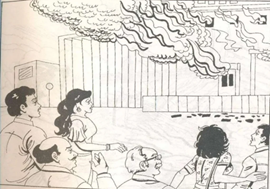
Guide: Choose the young girl in the printed dress, standing at the front of the group, as the central character. Show her noticing the fire in the building and quickly taking the lead. Describe how she stays calm, asks
others to step back for safety, and immediately calls emergency services. Let her help control the crowd, guide people away from danger, and show her care for everyone’s safety. End with a positive and realistic outcome where her courage and alertness are praised.
Sample Story: Riya, a 19-year-old college student, had just come out of the metro station when she noticed black smoke rising from a nearby building. As people gathered, many started to panic. Without losing her calm, Riya stepped forward and asked the crowd to move away from the building. She pulled out her phone and dialled the fire department, clearly explaining the situation. Spotting a security guard, she told him to block the entrance so no one could go in. Then, she helped guide some elderly people to a safer spot. When the fire brigade arrived, she quickly showed them the exact location. Her presence of mind and quick action helped avoid chaos. The situation was brought under control, and everyone appreciated Riya for being brave and sensible during the emergency.
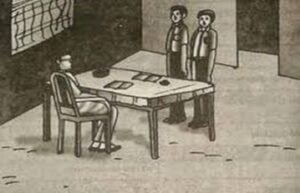
Guide: Choose one of the two standing boys as the hero. Show him entering an officer’s room for an interview or inquiry, staying calm and confident. Also, focus on values like honesty, discipline, and courage. End the story with a positive and realistic outcome that reflects responsibility and growth.
Sample Story: Ravi, an 18-year-old student, walked into the room with his friend for a meeting with the police officer. They had found a lost wallet on the road near the market. Without any delay, they brought it to the police station. The officer looked at them seriously at first, but then smiled when Ravi explained everything clearly.
He told them that the wallet had important documents inside and belonged to an old man who had already come looking for it. The officer praised Ravi and his friend for their honesty and sense of duty. He asked them to wait while he returned the wallet to the owner. Later, the old man met them and thanked them with tears in his eyes. Ravi felt proud that doing the right thing could make someone so happy.
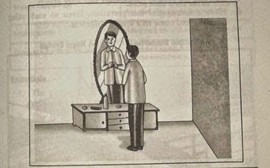
Guide: Choose the boy as the hero. Show him noticing his reflection and realising he wants to change something about himself, like becoming more confident, honest, or responsible. Let the story show how this moment in front of the mirror becomes a turning point. End the story with a positive result, where the boy takes action and becomes better in some way.
Sample Story: Rohit, a 16-year-old boy, stood quietly in front of the mirror. He was holding a small medal that he received last year for a school play. As he looked at his reflection, he started thinking about how he had changed. Lately, he had been skipping classes and hanging out with the wrong crowd. He didn’t feel proud of himself anymore. That moment in front of the mirror made him stop and think. He also missed the boy who used to study hard and help others. Rohit took a deep breath and made a promise to himself to fix things. The next day, he talked to his teacher, said sorry for missing classes, and asked for extra help. Slowly, he started studying again and even helped his friend prepare for a test. That one moment in front of the mirror helped him turn his life around.
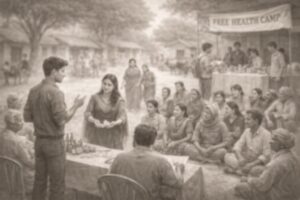
Guide: Choose the young man standing near the table as the hero. Show him taking the lead in organising and supporting a free health camp in the village. Also highlight his confidence, sense of service, and ability to guide people with patience and care. End with a positive and realistic outcome that reflects teamwork and social responsibility.
Sample Story: Rohit, a 22-year-old final-year student, had come back to his village during his holidays. He noticed that many elderly people and women were suffering from small health problems but had no easy access to doctors. With the help of his college friends and local volunteers, Rohit decided to organise a free health camp in the village. On the day of the camp, he stood near the table, calmly explaining the process to everyone and helping them feel comfortable. He guided the villagers to the doctors, helped distribute medicines, and made sure the elderly were given priority. A female volunteer assisted him by explaining health tips to the women. By evening, many villagers felt relieved and thankful. The village head praised Rohit for his effort. Rohit felt proud that his small step had brought care and awareness to his community and inspired others to step up.
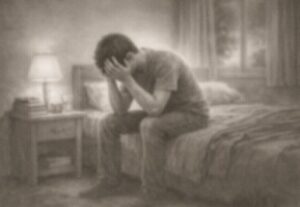
Guide: Choose the boy sitting on the bed as the hero. Show him going through emotional stress due to academic or personal pressure. He realises that keeping it inside is making it worse. Then, he bravely opens up to his parents or a trusted teacher, seeks help, and begins to work on his mental health. End with a hopeful and realistic outcome that shows strength in seeking support.
Sample Story: Aarav, a 16-year-old boy, sat on the edge of his bed, holding his head in his hands. He was feeling exhausted with school exams, expectations, and a growing fear of failure. Day by day, the stress had been piling up, and he had stopped talking to his friends and family. One evening, unable to hold it in anymore, he walked up to his father and finally spoke about how lost he felt. His father listened patiently and comforted him, saying it was okay to struggle and ask for help. Then, together, they met with a school counsellor who guided Aarav on how to manage stress and plan better. Slowly, Aarav started to feel lighter. He made a new routine, focused on small goals, and also remembered to take breaks. With support and care, he began to feel better and more confident.
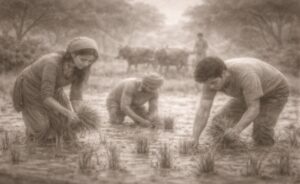
Guide: Choose the young woman on the left as the hero. Show her taking pride in her roots and working hard with her family in the muddy rice fields. Highlight her determination to help improve their lives through both education and hard work. End the story with a hopeful and uplifting tone.
Story: Meena, a 19-year-old girl from a small village, spent her summer mornings in the fields with her parents. Even though the mud was thick and her arms ached, she worked without complaining. Her dream was to become an agricultural officer one day and help farmers like her family.
Each evening, after hours in the field, Meena cleaned up and studied under a dim lamp. Her teachers often praised her dedication, and her father felt proud watching her grow stronger, both in body and mind. One rainy evening, she received a letter stating that she had passed the entrance exam for a top college. Later, the family celebrated with smiles and warm food. Meena promised to return after her studies to serve her village. So, her journey showed that with love for your land and the will to work, even muddy hands can build a bright future.
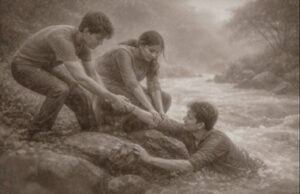
Guide: Choose the boy in the water as the main character. Show how he ends up in a tough situation but refuses to give up. Highlight his willpower and how he gets support from his friends at just the right time. Focus on courage, teamwork, and never losing hope. Let the story end with a strong, positive message about facing problems together and not being afraid to ask for help.
Story: Rahul, a 17-year-old schoolboy, was out on a nature trek with his classmates. While crossing a rocky stream, he slipped and fell into the water. The current was strong, and he struggled to hold on. Fear started to build, but he didn’t panic. He called out to his friends. Hearing him, two of his closest friends rushed to help. One held onto a rock while the other reached out to grab Rahul’s arm. It wasn’t easy, but they didn’t give up. Slowly, with teamwork and courage, they pulled Rahul out of the water. He sat on the riverbank, shivering but safe. He looked at his friends and smiled with teary eyes. That day taught him that it’s okay to fall, but what matters is to rise again, especially with people who care. Together, they all walked back stronger than before.
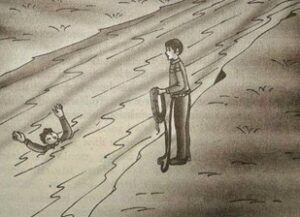
Guide: Choose the boy standing on the riverbank as the hero. Show him noticing the man drowning, thinking quickly, and using the available rope to save him without panicking. Also, highlight his presence of mind, courage, and sense of responsibility. End the story with a positive and realistic outcome where the man is saved, and the hero is appreciated for his brave act. Also, focus on values like leadership, presence of mind, and helping others, qualities needed for defence aspirants.
Story: Ravi, an 18-year-old NDA aspirant, was walking near the riverside after finishing his morning run. Suddenly, he heard someone shouting. He looked around and saw a man struggling in the middle of the river.
The man was drowning and waving his hands for help. Without wasting time, Ravi ran towards the spot and noticed a rope lying nearby. He quickly picked it up and threw one end toward the man while holding the other end tight. The man grabbed it, so Ravi pulled him slowly and carefully towards the shore. After a few minutes, he safely pulled the man out of the water. People gathered around and praised Ravi for his brave and quick action. Then the man thanked him with tears in his eyes. Ravi also felt proud that he stayed calm and used his presence of mind. It gave him more confidence in his dream to join the armed forces one day.
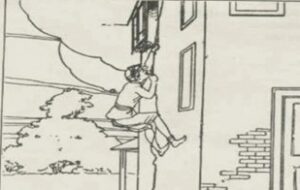
Guide: Choose the boy climbing up as the hero. Show him acting quickly and bravely to save someone in danger. Let him use presence of mind, courage, and physical effort to manage the situation well. Highlight traits like responsibility, quick thinking, and helpfulness. End with a positive and practical result that reflects his strong values and leadership skills.
Sample Story: Arjun, a 16-year-old schoolboy, was walking back home when he heard loud cries coming from a nearby house. Looking up, he saw smoke rising from a window and a small child crying for help. Without wasting time, Arjun ran inside, found a rope in the backyard, and quickly climbed up to the first floor. Holding the child’s hand firmly, he helped him climb down to safety. Some neighbours saw this and immediately called the fire department. Once the child was safe, Arjun made sure he was okay and handed him to his parents, who were extremely thankful. His brave and smart action saved a life. Later, the school principal praised Arjun in the morning assembly, and his story inspired many students to stay alert and help others during emergencies.
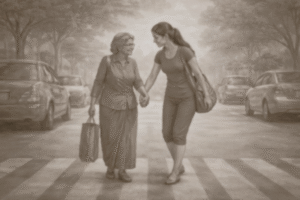
Guide: Choose the young woman as the hero. Show her noticing the woman in need of help, deciding to assist her out of kindness and social responsibility, and guiding her safely through the traffic. Reflect her sense of empathy, civic sense, and initiative. End with a realistic and positive impact of the action on both.
Sample Story: Priya, a 22-year-old college student, was on her way home after class when she noticed an elderly woman standing at a zebra crossing, looking nervous and holding shopping bags. Cars kept passing, and no one seemed to slow down. Priya quickly walked over, smiled at the woman, and gently held her hand. She waited for a safe moment, signalled the cars to stop with her hand, and slowly walked the woman across the road. The old lady smiled with gratitude and thanked her warmly. Priya smiled back, feeling happy that she could help. She also made sure the woman didn’t need any further assistance before continuing her way. That simple act of kindness left both of them feeling good and reminded Priya how important small, thoughtful actions can be in daily life.

Foundation
Strengthen your academic foundation to confidently face competitive examinations such as IIT-JEE and NEET.
Know More ↗
Foundation
Strengthen your academic foundation to confidently face competitive examinations such as IIT-JEE and NEET.
Know More ↗
Foundation
Strengthen your academic foundation to confidently face competitive examinations such as IIT-JEE and NEET.
Know More ↗
IIT-JEE (Main & Advanced)
Elevate your performance and secure top ranks in JEE (Main & Advanced) 2027 through focused preparation.
Know More ↗
NEET
Elevate your performance with a structured NEET 2027 program. Build conceptual clarity across Physics, Chemistry, and Biology.
Know More ↗
IIT-JEE (Main & Advanced)
Elevate your performance and secure top ranks in JEE (Main & Advanced) 2026 through focused preparation.
Know More ↗
NEET
Elevate your performance with a structured NEET 2026 program. Build conceptual clarity across Physics, Chemistry, and Biology.
Know More ↗
IIT-JEE (Main & Advanced)
Elevate your performance and secure top ranks in JEE (Main & Advanced) 2026 through focused preparation.
Know More ↗
NEET
Elevate your performance with a structured NEET 2026 program. Build conceptual clarity across Physics, Chemistry, and Biology.
Know More ↗